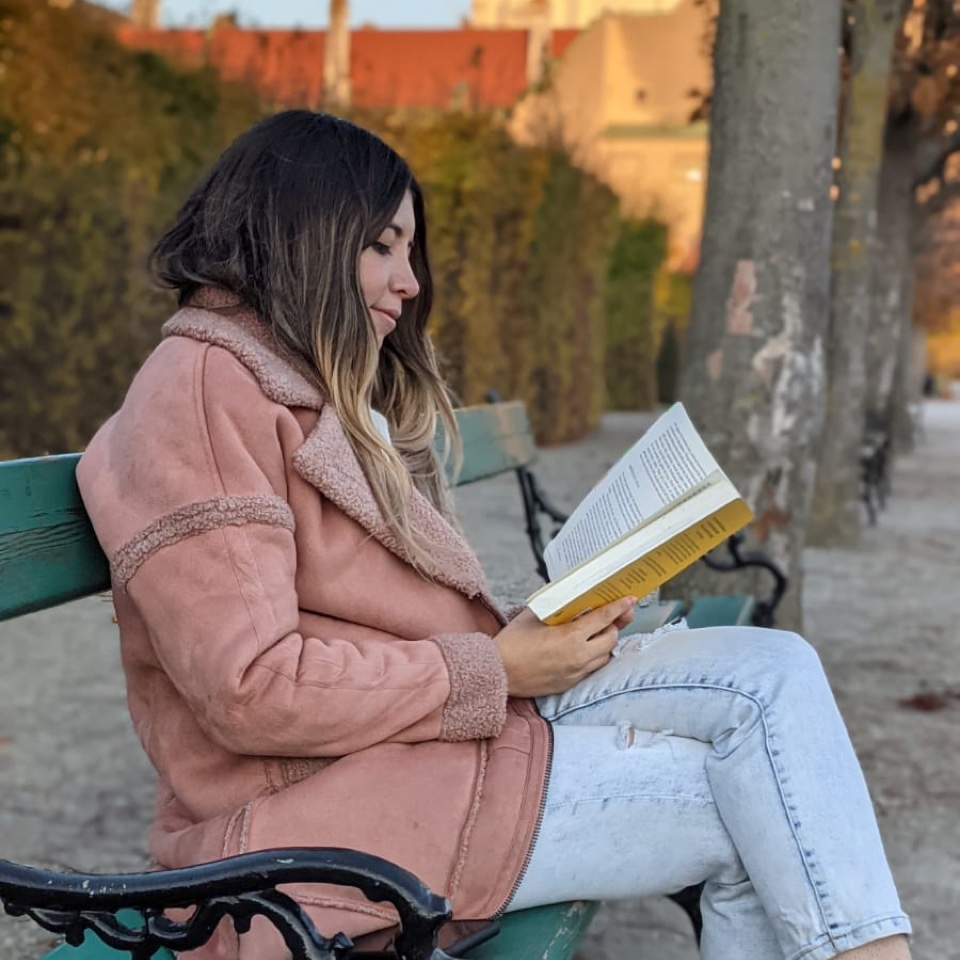

Trespasses is Louise Kennedy’s first novel and the winner of the British Book Award for Debut Fiction. Published last year and set in Belfast in the seventies, it feels weird to call it a historical novel since the time in which the story is set is quite recent, but it also feels dismissive to just call it a novel, because the political atmosphere plays such an important part in the story, shaping the main characters’ choices and lives as it did for many people back in the day. This novel is one of the best examples I’ve found where literature helps to fill in the gaps in the comprehension of contemporary cultural practices, because it is not the same to read about a period of time as to actually immerse yourself in it, and Kennedy’s words allow the reader to do so. The novel really transported me to Belfast in 1975 and gave me a clear and painful picture of how volatile and dangerous the situation was.
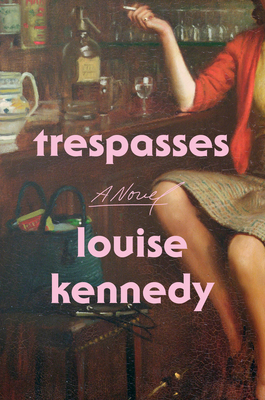
Cushla Lavery is a 24-year-old Catholic woman living on the outskirts of Belfast during the beginning of the Troubles, when the city was under siege by British soldiers. She works as a primary school teacher and sometimes helps her brother out at the small pub her family owns. She lives with her mother, who is an alcoholic, and her days are filled with tension and apprehension, as she encounters violence everywhere she goes: beatings and killings, bombs and the constant presence of British soldiers on the streets and even at her brother’s pub: it is not a good time to be a Catholic in Ireland. For Cushla and her second-graders, most mornings begin with such news.
Daily interactions are dangerous in such a climate, but Cushla’s generosity and empathy often place her in particularly risky situations. For starters, one of her students, Davy McGeown, comes from a mixed background (his mom is a Protestant) and when his father gets beaten, Cushla becomes dangerously close with Davy and his brother Tommy, who is, to make matters worse, a radical. One day while helping at the pub, Cushla meets Matthew Agnew and her life is forever changed. Matthew is not only older, smart and handsome, he is also a Protestant and a married man. To make matters even more complicated, he is also a widely-known barrister. If you haven’t guessed by now, Cushla and Matthew fall in love. Despite their differences in age and background, Matthew and Cushla share a passionate affair against all odds, risking their lives and the lives of those closer to them.
Although the plot might at first seem very much on the trope of forbidden love with two characters from opposing backgrounds having an affair, Trespasses is much more complex than that, intertwining the deeply personal choices of the characters with the larger-scale political landscape in which, despite their passions and good intentions, they are but pawns. While the affair is one of the lines that drive the plot, Cushla’s interactions with other characters from both Catholic and Protestant backgrounds take the narrative to a point of no return, showing the heartbreaking reality of the apartheid and the impossibility of free will and free love in such a climate.
I enjoyed how complex Cushla is as a character, full of the contradictions, inner rebellions and contained guilt produced by a Catholic upbringing, and the detail with which Kennedy describes her hopes and expectations, some of which were basically impossible for a young woman in the seventies: the future seemed to be opening up for women, but everything was so uncertain from a political point of view. In blunt and terse sentences, Kennedy colours Cushla through her interactions and relationships with other characters—Matthew, her mother, her brother and the MacGeown children— rather than with lengthy inner monologues. She also shows us Belfast through her eyes, a troubled city, dormant and under siege, but still reminiscent of its former vibrancy and life.
I loved Kennedy’s transparent writing and the way her characters come to life on the page, along with the alleys and corners of Belfast and its surroundings, which Kennedy describes with exhilarating detail. I also loved the way the epilogue and prologue wrap the story and ground it in the present. I got used to the way in which Kennedy writes dialogue after a couple of chapters (much in the style of Sally Rooney, she does not use dialogue marks or quotation marks), and something I particularly liked is how the novel moves between the greys: nothing is black or white, and there lies the complexity and richness of her characters, especially Cushla and Matthew. The complexity of their relationship is exacerbated by the volatile political climate, and the consequences of a “forbidden” love like theirs are much more serious than I could have imagined in the beginning.
This is a novel about choices and the importance of making them even when cards have already been dealt. Much like in a Greek epic, the characters in Trespasses make choices not knowing at the time the wider picture, the strings being pulled and the undercurrents of power and violence that might alter their lives forever. Much like a Greek epic too, the characters are often driven by passion and emotion. Trespasses goes beyond merely portraying the hardships and historical facts of the Troubles, but rather portrays the psychological impact that the Troubles had on people’s understanding of their world, their culture and the people around them. For a debut novel, Trespasses is an astounding feat that reflects the deep love Kennedy has for Belfast in the detail with which the city is portrayed. Most importantly, it is a book that asks many uncomfortable questions about identity, and heritage, womanhood, love and responsibility.
Have you read Trespasses? Don’t forget to subscribe to my substack to receive new posts and reviews in your email.

 fernanda ortega // flowers in the library